

QR Codes on Labels: From a Tiny Square to an Entire Interactive Ecosystem
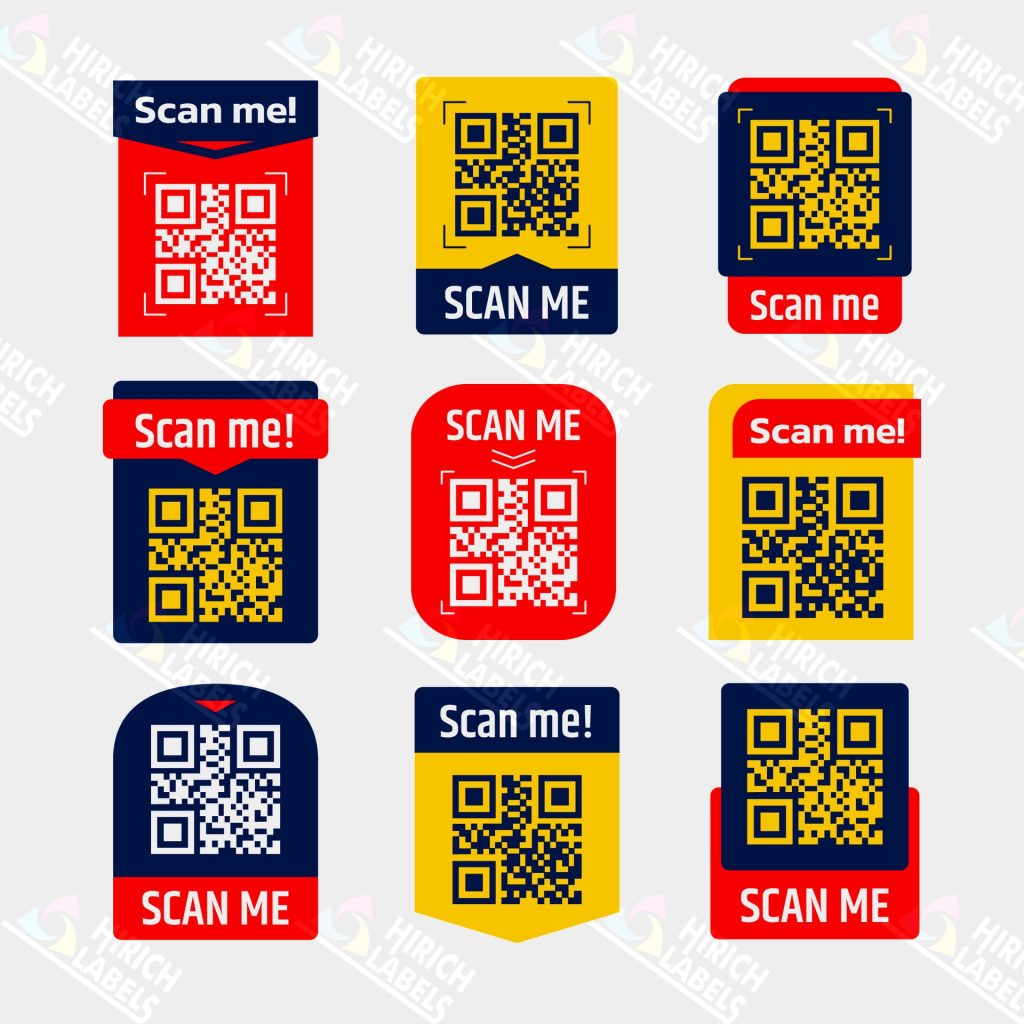
QR codes have far transcended their original role as traceability tools in automotive manufacturing. Today, QR codes on labels serve as the direct bridge between physical products and the digital world, unlocking countless applications—from origin traceability, usage instructions, electronic warranties, and promotions to loyalty programs. A well-designed, seamlessly integrated QR code can turn every product into a measurable marketing touchpoint.
However, not every QR code on a label delivers real results. Size, placement, contrast, print quality, and—most importantly—the experience behind the QR code (the landing page) are what truly determine scan rates and conversion rates.
Five Strategic Applications of QR Codes on Labels
1. Traceability: Consumers are increasingly concerned about product origins, especially for food, pharmaceuticals, and cosmetics. QR codes leading to detailed information pages on raw material sourcing, production dates, quality certifications, and product journey enhance brand trust and transparency.
2. Usage and storage instructions: Instead of printing thick paper manuals, a QR code can direct users to video tutorials, infographics, or interactive FAQs. This solution is especially effective for technical products, home appliances, specialized cosmetics, and processed foods.
3. Warranty and product registration: The QR code allows customers to activate electronic warranty immediately upon unboxing, with no need to fill out paper forms or make phone calls. The data collected also helps businesses build an accurate customer database and track the product lifecycle.
4. Post-purchase promotions and loyalty: QR code leads to a reward page, point collection, or mini-game participation. This is an effective way to turn one-time buyers into loyal customers and collect first-party data for remarketing.
5. Anti-counterfeiting and authentication: QR codes combined with an online authentication system enable consumers to verify genuine products within seconds. Each QR code can be assigned a unique serial number and validated against the manufacturer’s database.
Technical Requirements for Reliable QR Code Performance on Labels
The minimum size for a QR code on printed labels should be 15x15mm or larger to ensure smartphone cameras can scan it at a normal distance. For flexo printing, the minimum size should be 18–20mm due to color registration tolerances and lower print resolution compared to digital. The quiet zone around the QR code must be at least 4 times the module size (the smallest square unit) so that the reader can distinguish the code from the background.
The contrast between the code and the background is critical: dark code on a light background (not the reverse). The minimum contrast ratio should reach 55%. For clear film labels, a white ink layer is required behind the QR code; otherwise, light passing through the bottle will make the code unscannable. The QR code should also not be placed in areas of high curvature on round bottles or in positions prone to scratching during shipping.
The most overlooked factor: the landing page behind the QR code. The page must load fast (under 3 seconds), be optimized for mobile, display the correct language for the target market, and offer genuinely valuable content for the person scanning. A QR code on a label that leads to an error page or a non-mobile-friendly page destroys the experience and erodes trust faster than having no QR code at all. Hirich advises clients on the entire chain: from QR code design on the print file, testing scanability on actual materials, to optimizing the post-scan landing page experience.
© Copyright by Hirich Labels.


