

When is label sample printing mandatory, not optional?
Many businesses view label proof printing as a step that only adds cost and delays timelines. But in certain cases, skipping this step is a risk that can turn an entire print run into waste. The question isn’t whether to print proofs or not—it’s when it’s absolutely necessary and which type of proof fits the level of risk.
There are four scenarios where label sample printing is essentially non-negotiable. First, when color is a brand asset: logo colors and distinctive packaging colors must achieve extremely high accuracy, because even a slight shade deviation can impact overall brand recognition. Second, when working with new materials or challenging surfaces such as transparent film, silver decals, or kraft paper, since colors render completely differently on these surfaces compared to standard white paper. Third, for premium products or high-end pharmaceuticals and cosmetics, where tactile feel and visual sharpness determine perceived value. Fourth, for large-volume orders, where a single minor error multiplied across hundreds of thousands of units can result in severe financial damage.
Three proof levels: from digital to trial production
Digital proof (soft proof / digital proof): This is the most basic level, suitable for checking layout, text content, barcode placement, and overall color relationships. Digital proof offers low cost and fast turnaround time, but it cannot accurately represent colors on the actual material or indicate the real surface feel.
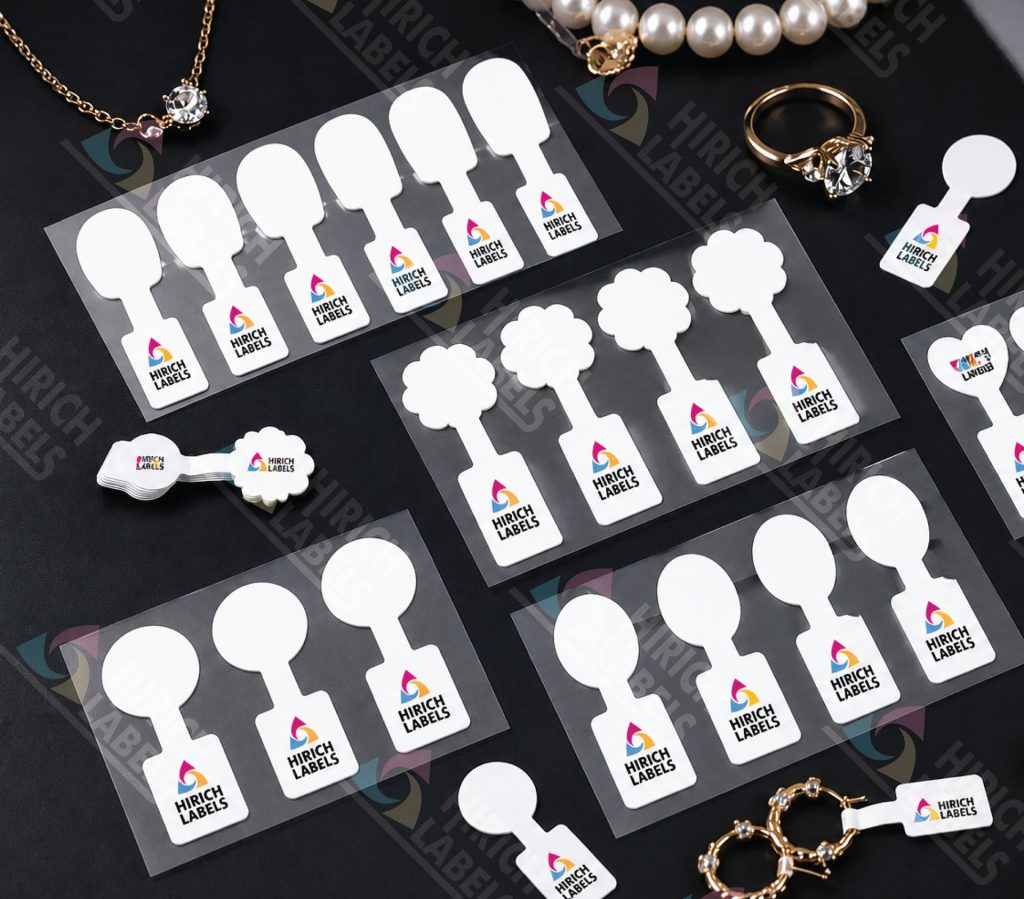
Physical mockup (dán thật): This is a crucial intermediate step: printing directly onto actual production materials, die-cutting according to the real die-line, and applying the label onto the customer’s actual bottles/jars/boxes. The physical mockup enables accurate evaluation of color, adhesive bonding, label-to-product proportion, and overall feel. This is the proof level Hirich recommends for the majority of projects with brand color requirements.
Pilot run: For large orders or products with stringent durability requirements, a pilot run allows a small batch to be produced on the actual mass production line, followed by comprehensive testing of all key parameters: color accuracy, adhesive strength, heat resistance, moisture resistance, friction durability, and shelf life.
Hirich’s Sample Approval Process: Eliminating Subjectivity, Sealing with Data
The differentiating factor in Hirich’s sample approval process lies in one core principle: every approval decision must be based on measured data, not subjective perception. The process begins with preflight inspection of the incoming design files, followed by the production of digital color proofs for customers to confirm layout and content. Next, Hirich produces actual label samples on the exact materials to be used in mass production, applies them to the customer’s real products, and includes a color measurement report (Delta E) benchmarked against brand standards. Customers sign off on the physical sample, which becomes the golden sample—kept on file for reference throughout subsequent production runs. With this process, Hirich ensures customers see exactly what will be produced, leaving no gap between expectation and reality.
© Copyright by Hirich Labels.


