

Pharmaceutical Labels: Where There Is No Room for Error
Pharmaceutical labels are one of the most challenging and demanding segments in the label printing industry. Each pharmaceutical label must not only deliver accurate information regarding drug name, active ingredients, dosage, expiration date, and batch number, but also comply with GMP (Good Manufacturing Practice) standards, support serialization for anti-counterfeiting and traceability, and maintain durability under special storage conditions such as cold chain.
Unlike conventional consumer product labels, pharmaceutical labels are subject to extremely stringent regulatory compliance. Even a single-digit error in a lot code or a barcode positioned just a few millimeters off can trigger a full-batch product recall, substantial financial losses, and lasting reputational damage. This is why pharmaceutical label production demands strict quality control at every stage—from data file intake and variable data processing to post-print inspection and final acceptance before shipment.
Serialization and variable data: the heart of modern pharmaceutical labels
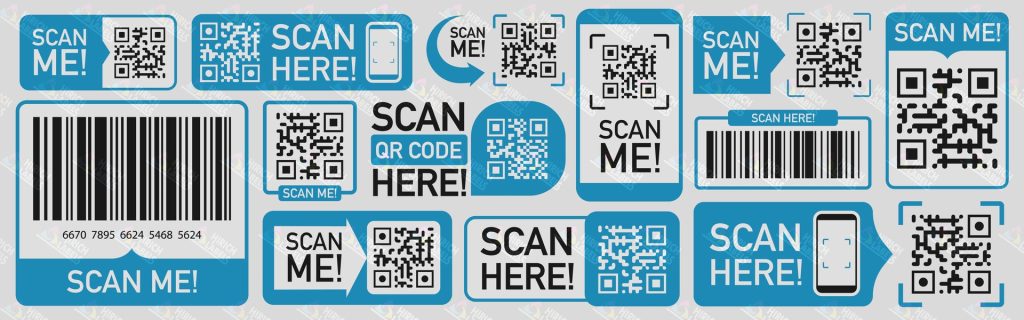
Serialization is a mandatory requirement in major markets such as the EU and the US, and is rapidly becoming the standard in Vietnam. Each unit of pharmaceutical product must carry a unique identifier, typically a GS1 DataMatrix or QR code containing product code, serial number, batch number, and expiry date. Printing these variable data requires variable data printing (VDP) technology with absolute precision: no duplicate serial numbers, no print position deviations, and codes must be 100% readable by industrial scanners.
Hirich implements a VDP process for pharmaceuticals with three layers of control: validating input data files using specialized software to detect logical errors, printing proofs and scanning all proof samples before production runs, and conducting random on-line inspections using a camera vision system. This ensures an error rate that approaches zero—the standard required by the pharmaceutical industry.
Materials and Adhesives for Each Pharmaceutical Product Line
For blister-packed tablets, medical labels typically use glossy laminated paper decals or white BOPP film with permanent adhesive, with all mandatory information printed clearly. For liquid medicine bottles and syringes, labels must withstand disinfectant alcohol, resist ink smudging, and adhere firmly to curved glass surfaces. For vaccines and cold-chain biologics, labels must endure temperatures from -80°C to +8°C without becoming brittle, peeling, or losing information—a segment that demands specialized materials such as polypropylene film coated with freezer-grade adhesive.
Additionally, anti-counterfeit labels featuring holograms, tamper-evident seals, and secure QR codes are increasingly being adopted across the pharmaceutical industry to safeguard consumers from counterfeit medicines. Hirich delivers integrated solutions that combine multiple layers of security on a single label without significantly increasing thickness or cost—a distinct advantage for pharmaceutical companies seeking comprehensive anti-counterfeiting measures.
With pharmaceutical labels, there is no room for carelessness. Every single label is a commitment to information safety and a responsibility to public health.
© Copyright by Hirich Labels.


