

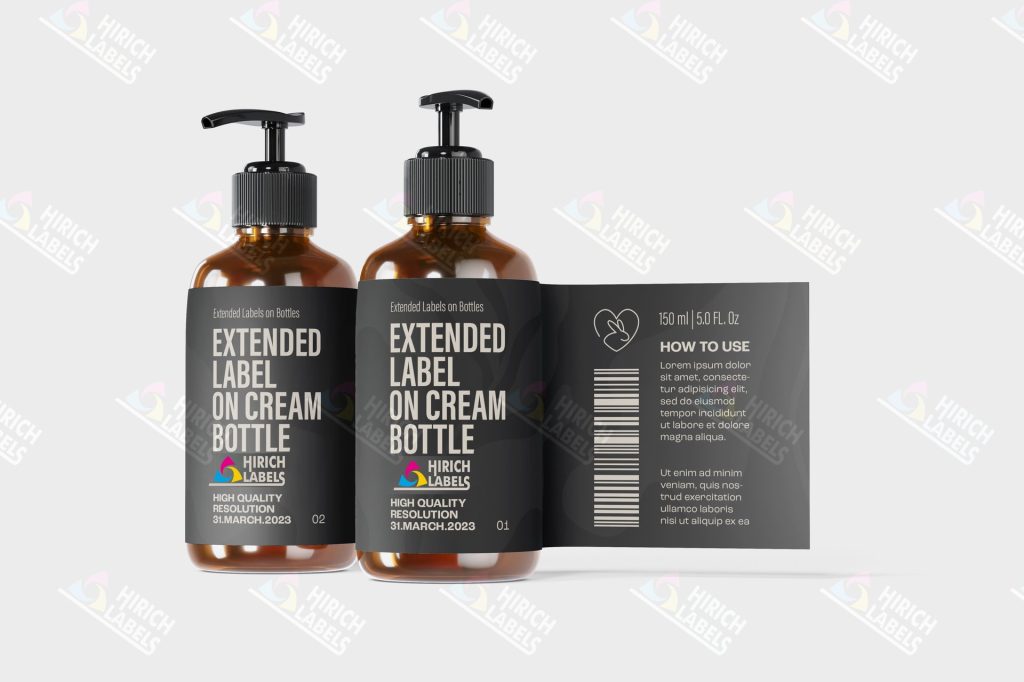
Beautiful labels are the first touchpoint that builds brand trust.
On the shelf, what customers see first is not the product formula or brand story, but the packaging and labels. A beautifully designed label can make a product the chosen one within seconds—yet the same product can be passed over when its presentation lacks polish. Consumer behavior research shows that more than sixty percent of purchase decisions are influenced by the perceived quality of packaging and product labels at the very first touchpoint.
Impressions of quality come not only from colors or graphic layouts, but also from label materials, surface finishes, and how labels interact with light. Glossy laminated labels evoke a sense of luxury for premium cosmetics. Matte laminated labels with debossed details convey professionalism for pharmaceuticals. Kraft paper labels with a rustic, natural feel are the perfect fit for artisanal, organic brands. All of these are intentional decisions designed to steer buyer emotions.
The Gap Between Beautiful Label Design and Actual Production
A beautiful design in a graphics file does not guarantee a beautiful result on the final product unless production factors are taken into account: the color limitations of the printing technology, the stretch of materials during lamination, the minimum spacing required for small text, and contrast performance when printing on transparent or silver backgrounds. Any discrepancy during the file handoff stage can result in a substandard batch of labels, forcing reprints and causing significant material waste.
Hirich controls material waste through a three-step sample approval process
The biggest cause of material waste is the discrepancy between the design file and the finished product, resulting in the need to reprint entire orders. Hirich eliminates this issue completely with a three-step proofing process. Step one: digital file approval with checks on bleed, overprint, image resolution, and fonts. Step two: printing color proofs on the actual production material—never approving colors on screen. Step three: test-applying labels to real products, verifying adhesion after 24 hours and resistance to storage environments. This process detects every deviation before mass production runs, eliminating the risk of discarded label batches.
Balancing Aesthetics, Function, and Cost
A beautiful label doesn’t have to be expensive. The secret lies in choosing the right finishing technique for the right purpose. Matte lamination delivers a premium look at a fraction of the cost of embossing. Spot UV draws attention to the logo without covering the entire surface. Transparent labels create a no-label effect on glass bottles—both cost-effective and striking. The key is understanding your target customers so you can invest in the visual elements that truly make a difference on the shelf.
© Copyright by Hirich Labels.


