

What is a sticker?
Labels are a layer of information affixed to products, packaging, bottles, shipping cartons, or equipment to identify, guide usage, warn, manage data, and connect products with buyers. In modern commerce, a label is not merely a decal with a logo; it is an integral part of the packaging and operational system.
A label can carry your brand name, ingredients, barcode, QR code, expiration date, batch number, certifications, storage instructions, safety warnings, or promotional messages. For export or imported products, labels also handle language requirements and legal compliance information.
The Three Main Roles of Label Stickers
The first role is brand recognition. Materials, colors, typography, gloss, transparency, or metallic effects all influence how buyers perceive a product on the shelf.
The second role is compliance and information transparency. For food, cosmetics, pharmaceuticals, chemicals, or medical devices, labels must be clear enough for both users and distributors to understand the essential information.
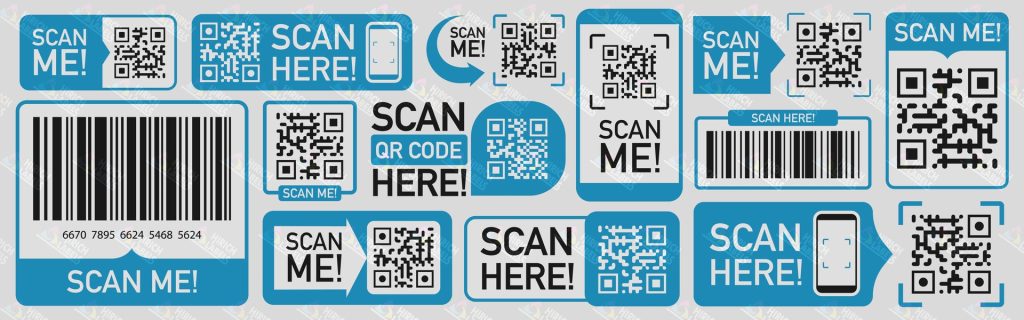
The third role is operational management. Barcode, QR, serial number, lot code, and RFID help businesses control inventory, retail, warranty, traceability, and anti-counterfeiting.
Popular Types of Labels
In practice, businesses often encounter label categories such as paper decal labels, BOPP/PET/PP film labels, transparent labels, silver labels, barcode labels, thermal paper labels, cold-adhesive labels, waterproof labels, heat-resistant labels, anti-counterfeiting labels, and variable information labels.
Each label type has its own advantages. Paper decals are ideal for dry products and optimized budgets. Film labels offer greater durability in moist, cold, or oily environments. Clear labels create a no-label look effect for premium products. Barcode labels and thermal paper labels serve logistics, retail, and warehousing operations.
Why Choosing the Wrong Label Costs You More?
Choosing the wrong label can compromise your product’s aesthetics, cause labels to peel off, display incorrect information, fail barcode scanning, or miss distribution requirements. The cost of fixing these issues is often greater than the cost of upfront technical consultation, especially when products are already in mass production or about to hit the shelves.
Labels should be regarded as a technical decision.
Businesses should consider label stickers as a decision that combines design, materials, printing technology, legal compliance, and operations. When these elements are handled in unison, labels are not only more visually appealing but also enhance the product’s credibility in the eyes of buyers and distribution partners.
© Copyright by Hirich Labels.


