

Product label decal printing must begin with the end-use environment.
When it comes to printing product label decals, many businesses first ask about price and size. However, what truly determines the real-world quality is the usage environment: will the product be stored in a refrigerator, exposed to water, or come into contact with oil or chemicals? Is the packaging made of paper, plastic, or glass—and should the label convey a standard or premium feel?
Paper decal: cost-effective, easy to print, ideal for dry environments.
Decal giấy is a popular choice for dry food, paper boxes, consumer goods, secondary labels, retail labels, and products with optimized budgets. Its advantages include cost-effectiveness, vibrant print colors, a natural feel, and ease of processing.
The limitation of paper decals is that their resistance to water, oil, and abrasion is not as high as that of film. If the product is stored in cold conditions, placed in a bathroom, or frequently exposed to moisture, paper decals need to be carefully considered or combined with an appropriate protective layer.
Decal nhựa: bền hơn trong nước, lạnh, dầu và hóa chất
Plastic decals typically consist of materials such as BOPP, PET, PP, or vinyl. This material group is ideal for cosmetics, beverages, cold food products, chemicals, personal care items, and packaging that demands high durability.
Plastic decals make labels less prone to tearing, offer better moisture resistance, and maintain image stability under demanding conditions. However, selecting the right adhesive, coating, and printing technology is essential to prevent edge lifting, fading, or poor compatibility with the substrate.
Clear decals: creating a no-label look effect for premium products
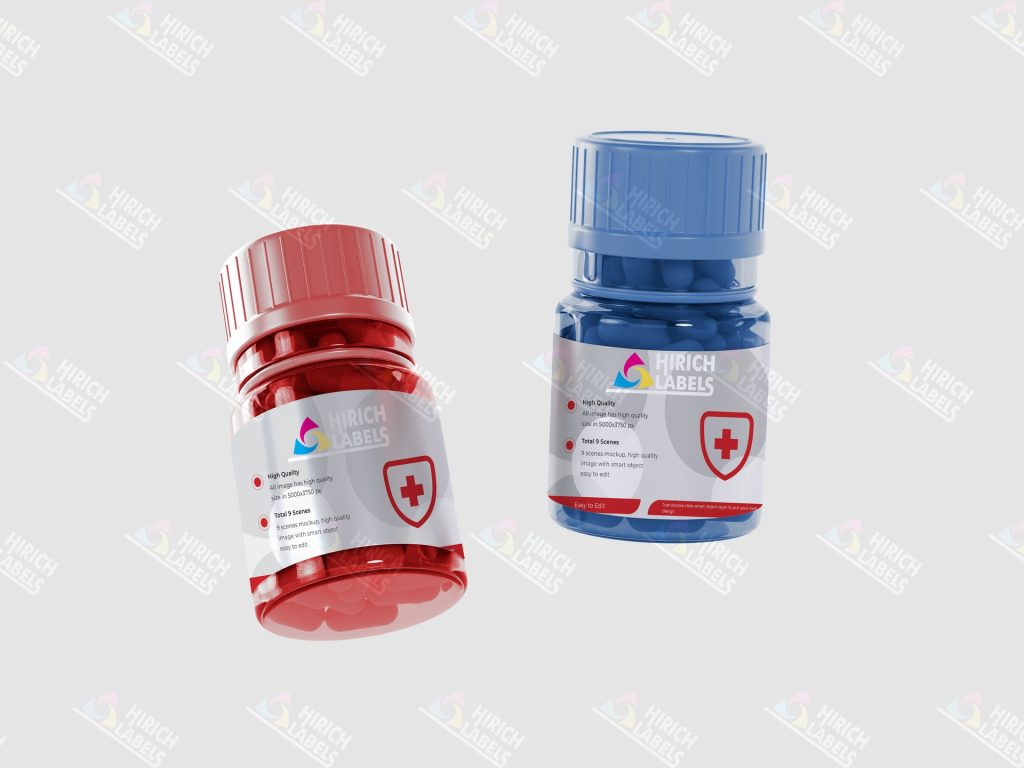
Clear decals are ideal when a brand wants its products to look clean, minimalist, modern, and premium. This label type is commonly used for cosmetics, perfumes, beverages, glass bottles, or clear plastic bottles.
Challenges with decals include material clarity, adhesive marks, air bubbles, white print areas, and application precision. If the design fails to account for the bottle surface and the color of the product inside, the label may be difficult to read or fail to achieve the desired effect.
Quick Selection Suggestions
- Choose paper labels if your product is dry, your budget is a priority, and you want a natural feel.
- Choose plastic decals if your product is exposed to water, oil, cold, friction, or chemicals.
- Choose clear decals when you need a premium, minimalist effect and a packaging surface that suits them.
- Always test labels on actual packaging before large-scale production if the usage environment is complex.
The right decal keeps your labels looking beautiful longer
Decal material doesn’t just affect the look of a label at the moment it’s printed—it also determines whether that label will hold up throughout the entire product lifecycle. The right choice helps brands reduce post-sale issues, protect their image, and keep operations running smoothly.
© Copyright by Hirich Labels.


