

Kraft paper: the visual icon of sustainability — but is it truly green?
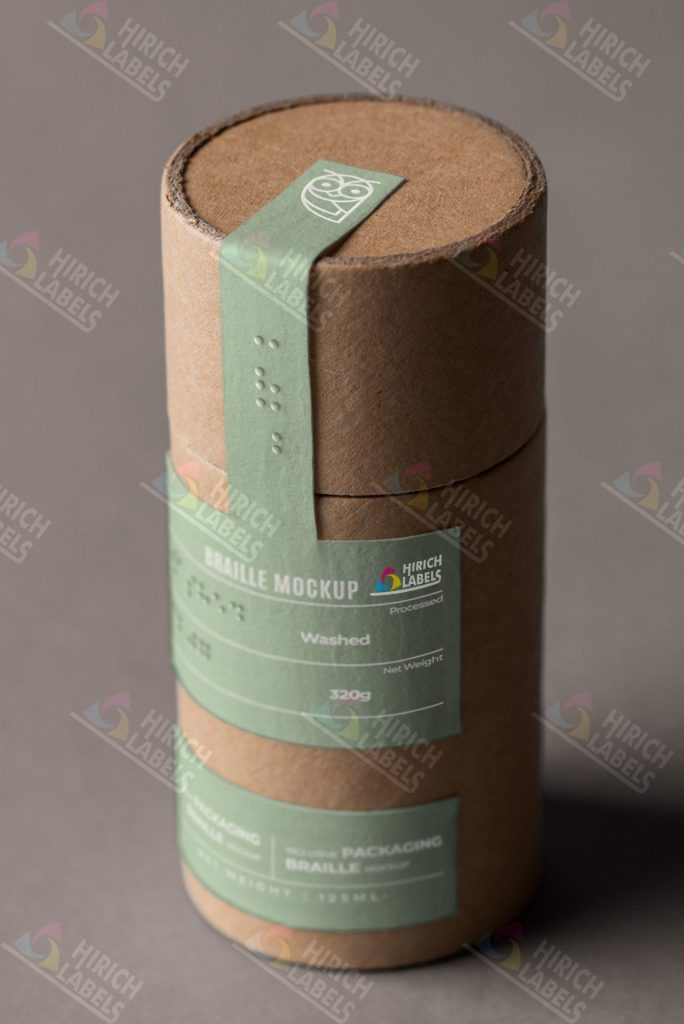
In recent years, brown kraft paper has become the default visual symbol for green packaging. From grocery stores to premium cosmetics brands, kraft brown appears everywhere as a quick signal to consumers that: this product is environmentally friendly. But this association between color and sustainability is largely a marketing construct, not a technical fact.
In reality, a white bleached kraft box and a brown unbleached kraft box can come from the exact same forest source and production process—differing only in the bleaching stage. This step carries its own environmental impact, but it is not simply a matter of “white is bad, brown is good.” Conversely, an uncertified brown package may come from unsustainably logged forests, while a white package with FSC certification guarantees a responsible source. Color is not the measure of sustainability.
From the Label: The Real Factors That Determine Whether Packaging Is Green
When assessing the sustainability of packaging, labels provide a technical lens through which to see beyond the visual surface. At least four label-related factors directly influence the recyclability and overall environmental impact of the packaging.
First, material compatibility: kraft paper packaging with a BOPP film label is a combination that cannot be recycled together. During the paper recycling process, the plastic film is removed as contamination and typically ends up in landfills or incinerators. True green packaging requires that labels and packaging belong to the same material family so they can be recycled together: paper labels for paper packaging, PET labels for PET bottles, and PP labels for PP packaging.
Secondly, adhesive and removability: Permanent adhesive on paper packaging can cause issues in the pulping process, creating stickies that reduce the quality of recycled pulp. Wash-off adhesive or water-soluble adhesive is a superior choice for packaging designed for recycling.
Thirdly, the liner layer: Every label comes with a silicone-coated liner, and this backing layer is nearly impossible to recycle through conventional means. The liner accounts for roughly 30-40% of a label’s total material weight. Switching to linerless labels or participating in a liner take-back program are solutions that deliver far more meaningful impact than simply changing the color of your packaging.
Thirdly, inks and coatings: Water-based inks, low-VOC UV/EB inks, and coatings free of toxic solvents help reduce environmental impact in both the production and disposal processes.
Build a green packaging story with depth—one that goes beyond color alone.
A deep green packaging strategy starts with asking the right questions: Where does this material come from? Where will it go after use? Can the recycling infrastructure in the target market handle it? These questions apply to the entire packaging system—including the small label on it. Hirich helps businesses answer these questions from the label perspective, from selecting materials compatible with the recycling stream of the primary packaging, to advising on certifications and how to communicate responsibly with consumers.
© Copyright by Hirich Labels.


