

Package printing: the strategic choice between direct printing and adhesive labels
When building a packaging printing strategy, one of the foundational decisions is choosing between direct printing on packaging and using separate pressure-sensitive labels. This is not merely a choice of printing technology—it impacts the entire packaging supply chain, from production costs and inventory management to the flexibility of updating information and long-term sustainability strategy.
There is no one-size-fits-all answer. The optimal choice depends on the number of SKUs, production volume per SKU, frequency of information changes, aesthetic requirements, and your business’s sustainability goals.
Comparing Four Packaging Printing Options
In trực tiếp lên bao bì (direct printing): Information and designs are printed directly onto the surface of bottles, boxes, or bags during the packaging manufacturing process. Advantages: low unit cost at very large production volumes, no additional labeling step required, seamless surface, and a premium look and feel. The biggest drawback: lack of flexibility. Every time information changes (new ingredients, new market languages, promotions, new regulations), the entire batch of packaging must be reprinted—leading to significant waste if old packaging inventory hasn’t been used up. Not suitable for businesses with many small SKUs or those that frequently change designs.
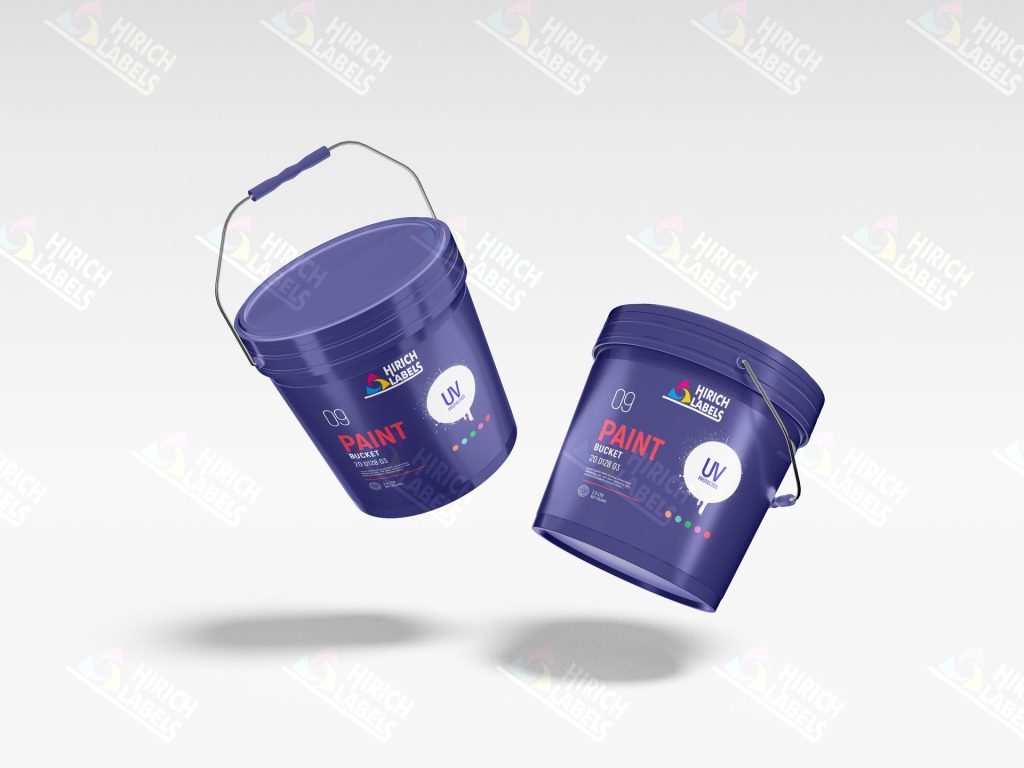
Pressure-sensitive label (decal label): A label printed separately and applied onto packaging during or after the packaging process. Advantages: maximum flexibility – design, information, and language can be changed without impacting base packaging inventory. Ideal for businesses with extensive SKU lines, multi-market operations, or frequent promotional campaigns. Decal labels also enable premium finishing effects (foil stamping, embossing, textured UV coating) that are difficult to achieve with direct printing. Disadvantages: adds an extra labeling step, and label edges may be visible on the finished product.
Heat shrink sleeve: A film that shrinks to wrap the entire bottle body or a portion of the bottle. Advantages: can cover complex curved surfaces, large print area (360°), striking visual effects. Disadvantages: higher cost, requires dedicated heat-shrink equipment, and PVC sleeves hinder the recycling of PET bottles.
Supplementary label: A combined solution — base packaging printed with fixed information (logo, product name), while supplementary labels carry variable information (language, ingredients, promotions). Ideal for multi-market export businesses.
When labels help optimize inventory costs and minimize waste
Một lợi ích chiến lược của nhãn dán thường bị bỏ qua: khả năng giảm tồn kho bao bì chết. Với in trực tiếp, doanh nghiệp phải đặt in riêng từng lô bao bì cho từng SKU, từng thị trường, dẫn đến số lượng mã bao bì tồn kho rất lớn. Khi một SKU ngừng sản xuất hoặc thay đổi công thức, toàn bộ bao bì in sẵn trở thành rác thải.
With labels, businesses can maintain a common base packaging inventory (plain bottles, plain boxes) and simply change the label whenever needed. This not only reduces inventory costs but also significantly cuts down on packaging discarded due to outdated information—a practical contribution to sustainable packaging printing goals. Hirich advises businesses to analyze the total cost of ownership of each option, including hidden costs such as inventory, waste, and the risk of packaging obsolescence, in order to make decisions aligned with their long-term strategy.
© Copyright by Hirich Labels.


