

From packaging to smart labels: how to boost post-purchase engagement for brands
Traditional packaging ends its role the moment a product is opened. But with the rise of QR codes, NFC, RFID, and augmented reality (AR), labels are becoming the gateway connecting brands with consumers throughout the entire product lifecycle—and even beyond. Smart labels turn every product into a digital touchpoint, unlocking opportunities for interactive user guides, loyalty programs, anti-counterfeiting authentication, and first-party user data collection, an increasingly valuable asset in a landscape where third-party cookies are disappearing.
Smart Label Technologies and Practical Applications
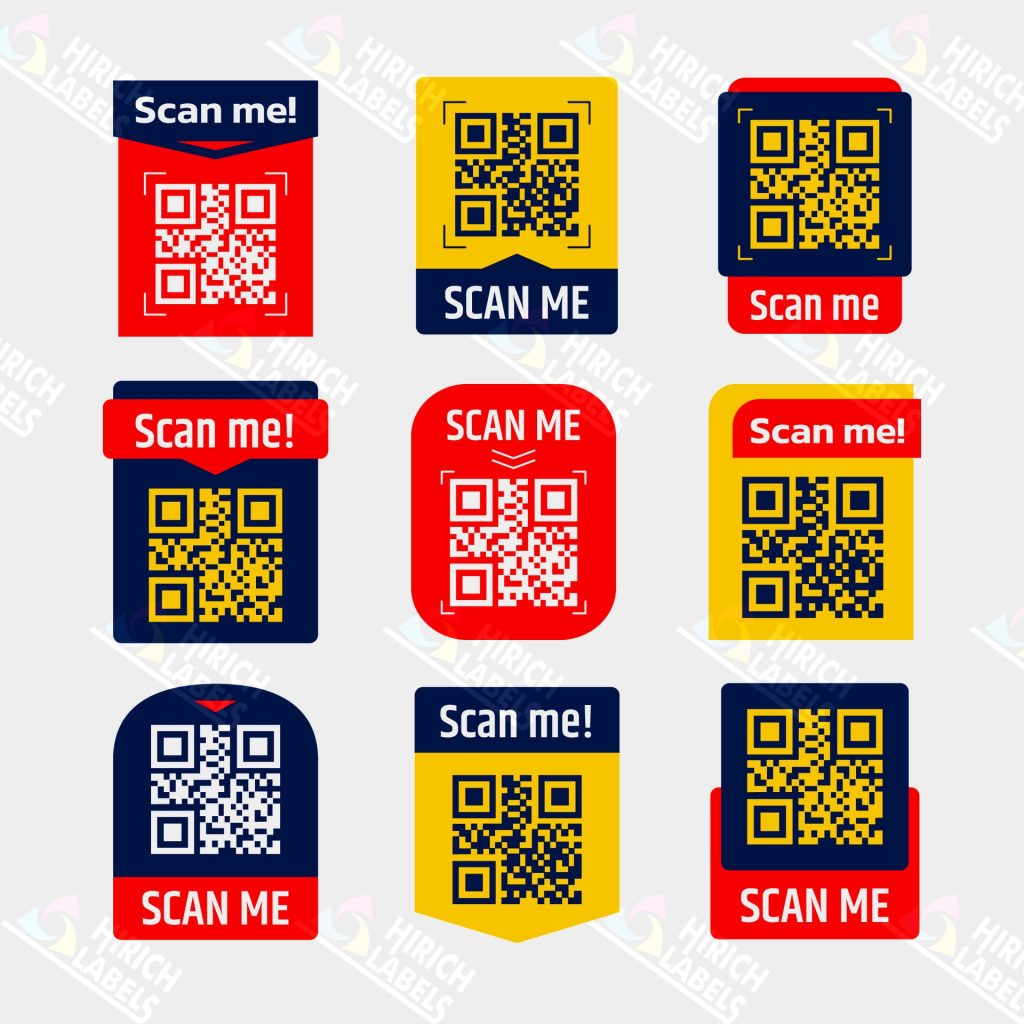
QR code: Simple, lowest cost, no special hardware required beyond a phone camera. Applications: directs to a landing page with instructional videos, traceability information, loyalty programs, customer surveys, or exclusive content. Dynamic QR codes allow you to change the destination content without reprinting labels.
NFC (Near Field Communication): An NFC chip is integrated into the label, allowing users to tap their phone on the label to receive information. The cost is higher than QR (~$0.05–0.15/chip), but it delivers a more premium experience, making it ideal for luxury products, wine, and perfume. NFC is also more difficult to counterfeit than QR, providing effective anti-counterfeiting support.
RFID: Primarily used in logistics and supply chain management, but increasingly making its way into retail, enabling automated inventory, contactless checkout, and virtual try-on experiences in smart fitting rooms.
AR (Augmented Reality): The label serves as a marker for AR experiences—users scan the label with an app and see 3D content, animations, or information overlaid on the physical product. Applications include wine (telling the winemaker’s story), toys (3D assembly instructions), and cosmetics (virtual lipstick try-on).
Smart Label Deployment Strategy: Start with the Goal, Not the Technology
A common mistake is choosing the technology first and then trying to find ways to apply it. The right approach: define your business goals first—increase repeat purchase rates? Collect customer data? Combat counterfeiting? Boost social media engagement?—then select the smart label technology that best fits those goals. For most businesses, QR codes are the most logical starting point: they cost virtually nothing (just part of the print file), require no app installation from users, and allow you to accurately measure scan rates, time spent on page, and conversion rates.
Hirich advises businesses on integrating smart labels into their current label strategy: from designing QR codes that meet technical standards (size, contrast, quiet zone) to consulting on mobile-optimized landing pages and integration with the business’s existing CRM system. A properly designed QR code on a label is not just a square—it’s a measurable marketing channel that works 24/7 on every product sold.
© Copyright by Hirich Labels.


